 Book Online
 (519) 704-4000
 Emergency?
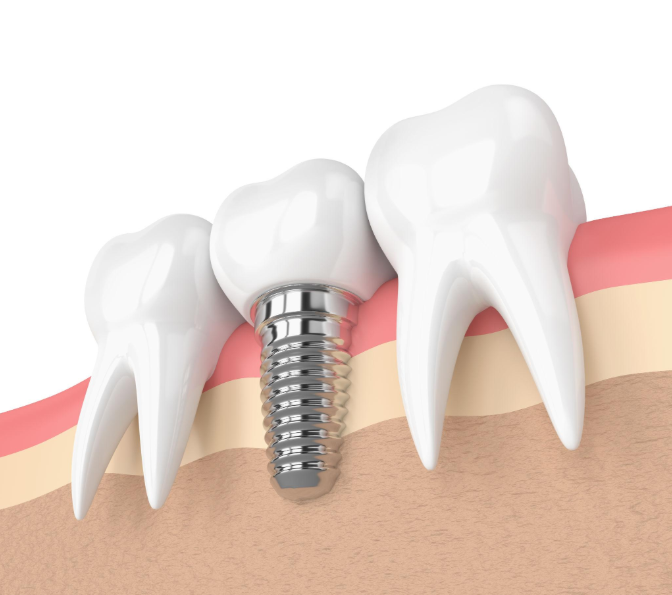
Getting a dental implant involves more than the procedure itself. What you eat afterward may affect comfort while the treated area heals. Choosing softer foods, avoiding unnecessary pressure on the surgical site, and following the specific instructions provided by your dental team may help support the healing process.
The appropriate diet can vary depending on the type of implant procedure, whether bone grafting was performed, and your individual healing needs.
Start With Soft Foods
For the first few days, soft foods that require little chewing are often easier to manage. Examples may include yogurt, applesauce, mashed potatoes, scrambled eggs, oatmeal, smoothies, and soft cooked vegetables.
Foods should be allowed to cool before eating if your mouth is still numb or sensitive. Very hot foods and drinks may increase discomfort or create a risk of burns when normal sensation has not fully returned.
If you choose a smoothie, use a spoon rather than a straw when advised by your dental team. Suction from a straw may be unsuitable after certain oral procedures.
Choose Foods That Are Easy to Chew
As healing progresses, your dental team may advise you to gradually introduce foods with more texture. Soft pasta, tender fish, cottage cheese, soft rice, and well-cooked vegetables may be easier options than foods that require significant chewing.
Try to chew away from the implant site when possible, particularly during the early healing period. This may reduce direct pressure on the treated area.
A dentist in Brights Grove can provide individualized instructions based on the location of your implant and the procedure performed.
Foods to Avoid During Early Healing
Some foods may place unnecessary stress on the surgical area. Hard, crunchy, sticky, or chewy foods are generally not suitable while the area is healing unless your dental professional advises otherwise.
Examples may include nuts, hard candies, popcorn, tough meats, raw crunchy vegetables, and sticky sweets. Very spicy or acidic foods may also irritate sensitive oral tissues for some people.
Alcohol and tobacco may also interfere with healing or increase risks associated with oral surgery. Follow your dental team’s instructions regarding these substances during recovery.
Keep Your Diet Nutritious
Soft does not have to mean nutritionally limited. During healing, aim for foods that provide protein, calories, vitamins, and minerals.
Eggs, yogurt, soft fish, beans, lentils, tofu, and other suitable protein sources may be incorporated into meals. Smooth foods can also provide fruit and vegetables without requiring extensive chewing.
If your diet is temporarily restricted, your dental professional may provide additional guidance based on your procedure and overall health.
Follow Your Dental Team’s Instructions
There is no single eating schedule that applies to every implant patient. Some people may receive different instructions depending on whether they had an extraction, bone graft, sinus-related procedure, or other treatment at the same time as implant placement.
Follow the instructions provided by your dental team rather than relying only on general dietary advice. Contact the dental office if you experience increasing pain, persistent bleeding, swelling that worsens, fever, or another symptom that concerns you.
Get Personalized Dental Implant Aftercare Guidance!
Every implant procedure has individual considerations. Lakeside Family Dental can discuss aftercare instructions and answer questions about eating, oral hygiene, and recovery based on your treatment. Learn more about Lakeside Family Dental on our website.