 Book Online
 (519) 704-4000
 Emergency?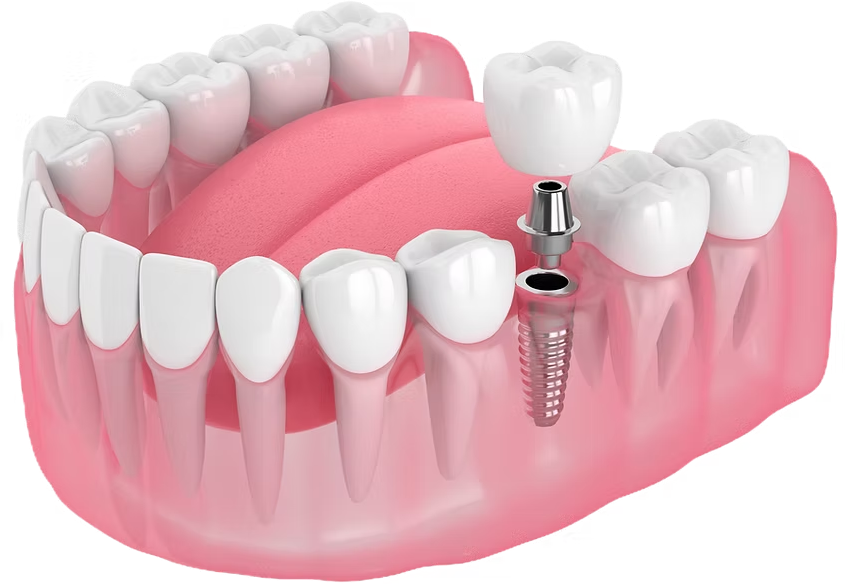
Living with traditional dentures may restore basic function after tooth loss, but some people eventually notice challenges such as movement, reduced chewing ability, or changes in comfort over time. For individuals looking for a more stable option, implant-supported restorations may be worth discussing with a dental professional. Every person’s oral health needs are different, so treatment recommendations depend on a thorough clinical assessment.
Implant-supported restorations are designed to improve the stability of dentures by attaching them to dental implants placed in the jawbone. If you are considering this option, speaking with a dentist in Brights Grove may help you understand whether it is appropriate for your individual situation.
Why Some People Move Beyond Traditional Dentures
Traditional dentures rest on the gums and rely on suction, adhesives, or the shape of the mouth for retention. Although they work well for many people, others may experience concerns such as:
- Dentures shifting while eating or speaking
- Gum irritation from movement
- Difficulty chewing certain foods
- Changes in denture fit as the jawbone changes over time
These concerns do not affect everyone, but they are common reasons people ask about implant-supported alternatives during routine dental visits.
How Implant-Supported Restorations Work
Dental implants are small titanium posts that are surgically placed into the jawbone. After the implant has healed and integrated with the bone, it may support a denture or another type of restoration.
Unlike traditional dentures that rest only on the gums, implant-supported restorations use implants to provide additional stability. Depending on your oral health, bone condition, and treatment goals, your dentist may recommend different restoration options. A comprehensive examination, including appropriate diagnostic records, helps determine whether implant treatment is suitable.
What to Expect During the Transition
Moving from traditional dentures to implant-supported restorations usually involves several stages rather than a single appointment. Your dentist will first review your medical and dental history, examine your mouth, and discuss your goals. Diagnostic imaging may also be recommended to evaluate bone quantity and quality.
If implants are appropriate, they are placed according to an individualized treatment plan. Healing takes time because the implants need to integrate with the surrounding bone. Once healing is complete, the final restoration is attached. Throughout the process, your dentist will explain each stage, expected healing times, benefits, limitations, possible risks, and home care instructions so you can make an informed decision.
Benefits That Patients May Notice
Although results vary from person to person, implant-supported restorations may offer several potential advantages, including:
- Improved denture stability
- Increased confidence while speaking
- Better comfort during daily activities
- Improved chewing efficiency for many foods
- Reduced dependence on denture adhesives
It is important to remember that outcomes differ based on individual health, bone support, oral hygiene, and regular dental maintenance.
Caring for Implant-Supported Restorations
Good oral hygiene remains essential after treatment. Daily cleaning around implants and restorations helps maintain oral health. Regular dental examinations and professional cleanings allow your dentist to monitor the condition of the implants, surrounding tissues, and restoration.
If discomfort, swelling, or damage occurs, contacting a dental office promptly is recommended. An emergency dentist in Brights Grove may evaluate urgent dental concerns and recommend appropriate care based on the situation.
Discover Your Tooth Replacement Options at Lakeside Family Dental!
If you are considering transitioning from traditional dentures to implant-supported restorations, Lakeside Family Dental is here to help. Our team provides comprehensive examinations, discusses appropriate treatment options, and develops individualized care plans based on each patient’s oral health needs and goals. Schedule a consultation to learn more about the options that may be suitable for your oral health.