 Book Online
 (519) 704-4000
 Emergency?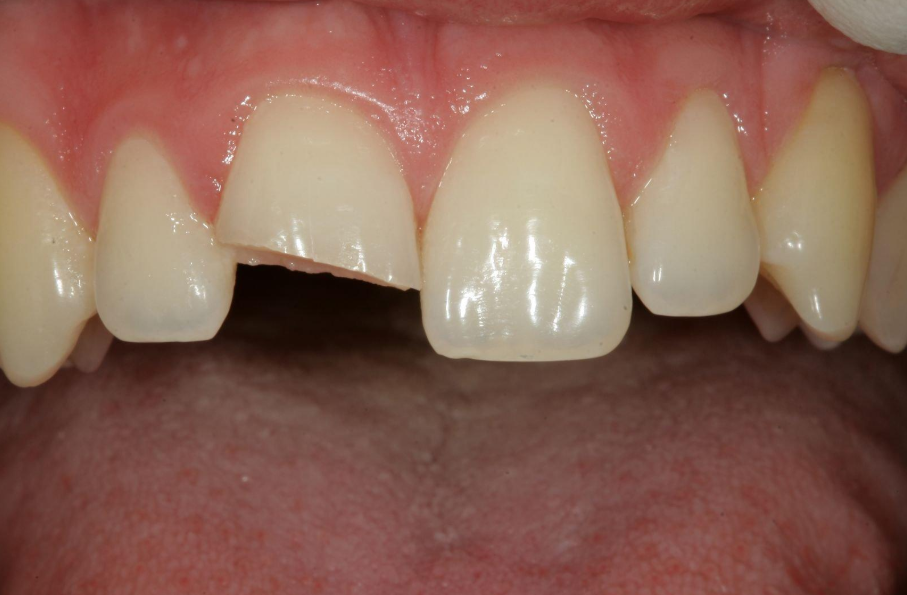
Dry mouth is a common concern among older adults, especially those who take medications for ongoing health conditions. While it may seem like a minor inconvenience, reduced saliva production may increase the risk of tooth decay, gum problems, and difficulty eating or speaking. Understanding the connection between dry mouth and oral health may help seniors take steps to protect their teeth.
If you are looking for a dentist in Brights Grove, regular dental visits and good home care are important for identifying concerns early and maintaining oral health.
Why Do Medications Cause Dry Mouth?
Many prescription and over-the-counter medications may reduce saliva production. These include certain medications used for high blood pressure, allergies, depression, anxiety, and other chronic conditions.
Saliva plays an important role in oral health. It helps wash away food particles, neutralize acids, and support the natural balance of bacteria in the mouth. When saliva levels decrease, teeth may become more vulnerable to cavities, particularly around the gumline and between the teeth.
Why Seniors May Develop Cavities More Quickly
Medication-induced dry mouth may allow plaque and bacteria to remain on the teeth for longer periods. As a result, cavities may develop more rapidly than expected. Additional factors that may increase the risk include:
- Receding gums that expose root surfaces
- Difficulty cleaning the teeth due to arthritis or reduced mobility
- Frequent snacking or sugary beverages
- Existing dental restorations that require monitoring
Routine dental examinations may help identify these concerns before they become more extensive.
Tips for Managing Dry Mouth
Although dry mouth may not always be prevented, several daily habits may help reduce its effects. Drink water regularly throughout the day to keep the mouth moist. Chewing sugar-free gum or using sugar-free lozenges, when appropriate, may help stimulate saliva production. Limiting sugary snacks and acidic drinks may also reduce the risk of tooth decay.
Your dentist may also recommend fluoride products or other preventive measures based on your individual oral health needs. It is important to discuss all medications you are taking during your dental appointment, as this information helps guide appropriate care.
When to Schedule a Dental Visit
Persistent dry mouth should not be ignored. If you notice ongoing dryness, increased tooth sensitivity, difficulty swallowing, or new areas of tooth decay, it is a good idea to arrange a dental examination.
In some situations, tooth pain or a broken tooth may require prompt attention. If you need an emergency dentist in Brights Grove, seeking care as soon as possible may help prevent further complications and allow your dentist to assess the cause of the problem.
Support Your Oral Health with Lakeside Family Dental!
If you are experiencing dry mouth, have concerns about cavities, or are searching for a dentist in Brights Grove or an emergency dentist in Brights Grove, our team at Lakeside Family Dental is available to provide a comprehensive examination and discuss appropriate treatment and preventive care options.